Closed Captions On, Judgment Off: Confessions of a Subtitles-First Household
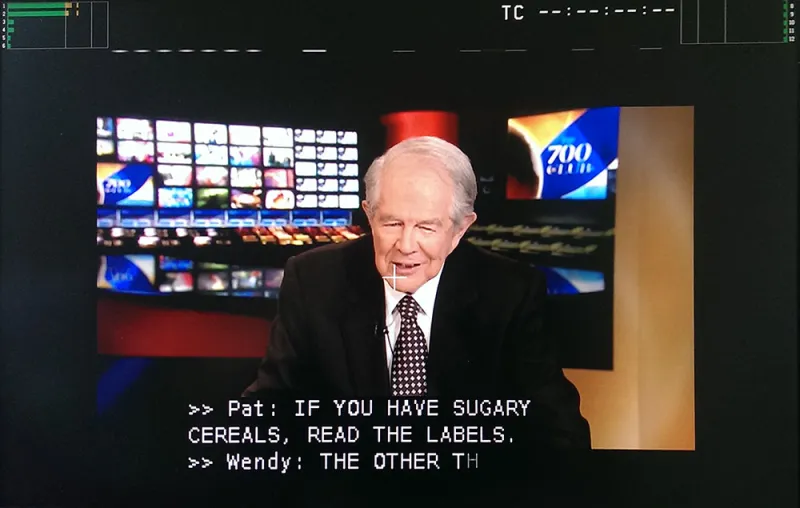
Photo: subtitles closed captions on television screen living room, via www.handspeak.com
Let me get the confession out of the way: I cannot remember the last time I watched anything without subtitles. Movies. Prestige dramas. Reality TV I should be embarrassed about. All of it, captions blazing, white text at the bottom of the screen like a permanent plus-one.
And according to basically every survey on the topic, I'm not weird. I'm just early to a party most of the country has already joined. Somewhere around half of American viewers now watch with captions on at least some of the time — and among younger viewers, it's the majority. The subtitle-default household isn't a quirk anymore. It's the new normal.
Why Is Everyone Whispering?
The first culprit is audio, and I will die on this hill: modern sound mixing has a mumbling problem. There's a whole aesthetic — critics call it naturalistic or "mumble-core" adjacent — where actors deliver lines at a realistic volume while the dialogue competes with a moody synth score and ambient street noise. It's atmospheric. It's also incomprehensible.
Add in the fact that most of us are watching on TV speakers or earbuds instead of a proper sound system, and dialogue becomes a guessing game. Captions aren't a preference here. They're a survival tool.
The Second Screen Did the Rest
But let's be honest about the other elephant in the room: our phones. A huge chunk of caption-on viewers admit they're half-watching while texting, scrolling, or doing something else entirely. Subtitles keep a show legible even when your eyes are doing split duty between the TV and a group chat.
Is that "real" watching? The purists say no. The purists also said streaming would kill television, and here we are, so let's take their testimony with a grain of salt.
The Purist's Rebuttal (Steel-Manned, Reluctantly)
Because this is an opinion piece, fairness demands I present the other side. The case against captions goes something like this: subtitles turn your eyes into hostages. Instead of taking in the frame — the performances, the blocking, the cinematography — you're locked onto text at the bottom of the screen. You start "reading" a show instead of watching it. Comedy timing suffers because you see the punchline before you hear it. And dramatic reveals land differently when the caption politely announces them a half-second early.
There's real merit here. Rewatch a beautifully shot show with captions off and you'll notice things — faces, framing, silence doing the heavy lifting. The purists aren't wrong that captions can flatten the visual experience.
They're just wrong that this makes captions a lesser way to watch. It's a different way. Both are valid. Fight me.
Five Shows That Are Genuinely Better With Subtitles On
Add these to the watchlist, captions engaged:
- Succession — the profanity-laced overlapping crosstalk of a Roy family dinner is basically a listening comprehension exam. Captions turn chaos into poetry.
- The Bear — kitchen chaos, whispered asides, and emotional gut-punches delivered at half-volume. You'll catch entire storylines you missed.
- Peaky Blinders — gorgeous, moody, and roughly 30% intelligible on first watch. The Birmingham accents deserve subtitles as a public service.
- Dopesick — dense medical and legal jargon delivered fast. Captions keep you from missing the fine print.
- Squid Game — or any subtitled import, honestly. Watching with captions on your own language trains you to read foreign ones without thinking twice.
Sound On, Sound Off, Who Cares
Here's the take I'll defend: how you watch matters less than that you watch. If captions make television more accessible, more comprehensible, or more compatible with a chaotic Tuesday night, then turn them on and never look back. The remote is yours. Use it shamelessly.
Now if you'll excuse me, I have a show to half-watch. Captions on, obviously.