One Perfect Song Can Save a Whole Season: Inside the Needle-Drop Economy
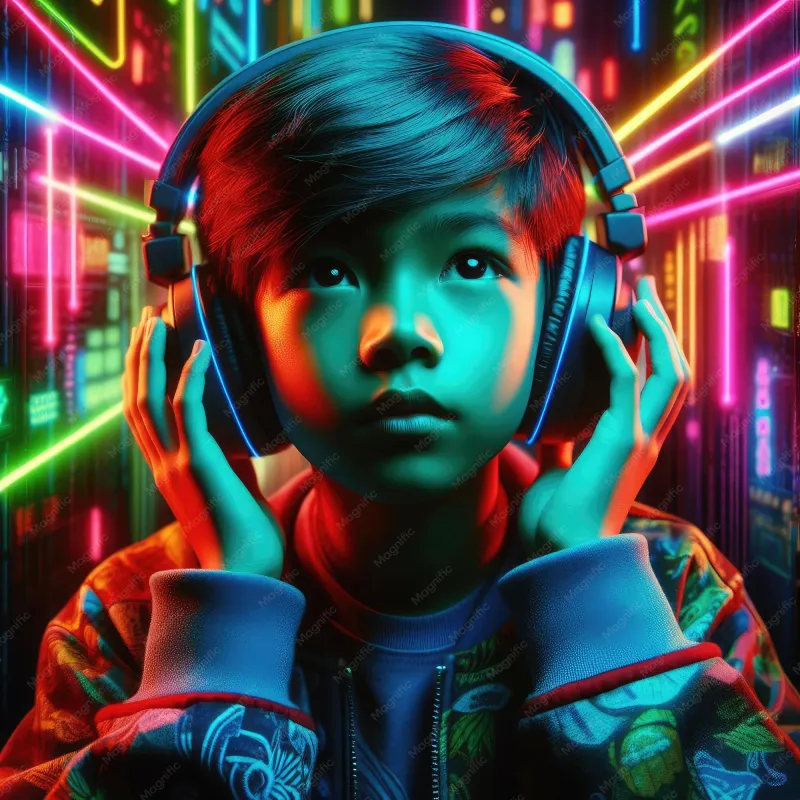
Photo: headphones teenager watching TV streaming dark room neon, via img.freepik.com
There's a moment everyone remembers from the last show they couldn't stop talking about. And chances are, it wasn't a line of dialogue. It was a song hitting at exactly the right second — the strings swelling as the camera pulled back, the chorus crashing in as two characters finally gave in. The needle drop has quietly become the most powerful weapon in streaming television, and the people placing those needles? They're running one of the most consequential jobs in entertainment.
The Scene That Broke the Internet (and the Billboard Charts)
Think about Kate Bush's "Running Up That Hill." The 1985 track sat comfortably in the canon of beloved Eighties oddities until a certain Hellfire Club member strapped on a walkman, and suddenly a song written before most of its new audience was born was topping charts in 2022. That wasn't luck — it was a masterclass in sync licensing, and it rewrote the playbook. Suddenly every label had a department dedicated to getting their catalog into the right scene.
The same thing has happened since with Fleetwood Mac's "Dreams" (skateboard and cranberry juice edition, courtesy of TikTok), Miguel's "Sure Thing," and a whole stack of tracks that found second lives on the Hot 100 decades after release. A viral sync is now worth more than most radio campaigns.
The Music Supervisor Is the New Casting Director
Here's a truth the industry has fully absorbed: audiences don't just fall in love with characters anymore. They fall in love with vibes, and vibes are built in the edit. A show like a moody teen drama or a prestige thriller lives or dies on whether its soundtrack feels like something you'd save to a playlist.
Music supervisors — the folks who pitch songs for scenes, negotiate with labels, and pray the budget holds — now get invited to the table as early as casting. Some shows are essentially built backwards from a sound. The brief isn't "what song fits this scene?" anymore. It's "what song will make 18-to-24-year-olds post about this scene?"
How the Machine Actually Works
The engineering behind a needle-drop moment is more calculated than fans like to admit:
- Placement strategy: The biggest songs tend to land at the end of an episode or mid-season climax — the moments people clip and share.
- Pre-cleared catalogs: Streamers increasingly commission covers and soundalikes to avoid licensing headaches, then save the big-budget sync for one marquee moment.
- The TikTok test: Supervisors openly admit they're asking whether a track can anchor a 15-second clip. If it can't survive the FYP, it might not make the cut.
- Chart coordination: Labels now time re-releases, sped-up versions, and playlist pushes to coincide with an episode dropping.
When the Song Outlives the Show
The wildest part of this economy? Sometimes the song wins and the show doesn't. Plenty of series have been cancelled while their soundtrack moments keep circulating on TikTok like ghosts. A scene can outlive its plot entirely — a three-minute sync becoming the thing a show is remembered for, whether or not anyone finished season two.
For artists, especially legacy acts, that's a lifeline. A single sync can fund a tour, spark a vinyl repress, and introduce a catalog to grandkids and grandpals of the original fanbase at the same time.
The Downside of the Perfect Drop
Not everyone's celebrating. Some critics worry shows are being edited around their soundtracks — that emotional beats are outsourced to a chorus we already have feelings about. It's cheaper to make an audience cry with a song they loved at prom than to earn that tears through four seasons of character work. The best shows, notably, do both: they earn the moment, then let the song detonate it.
What to Watch (and Hear) Next
If you want to spot the needle-drop economy in action, keep an eye on what's trending in music after a big premiere weekend. If a 40-year-old track is suddenly sitting next to this week's pop releases on the charts, you've just watched a sync do its job.
And the next time a scene gives you chills and you immediately search "what song was that," congratulations — you're part of the machine now. The scroll has a soundtrack, and somebody's getting paid to compose it.