Millions of People Just Watched a Trailer for a Show That Doesn't Exist
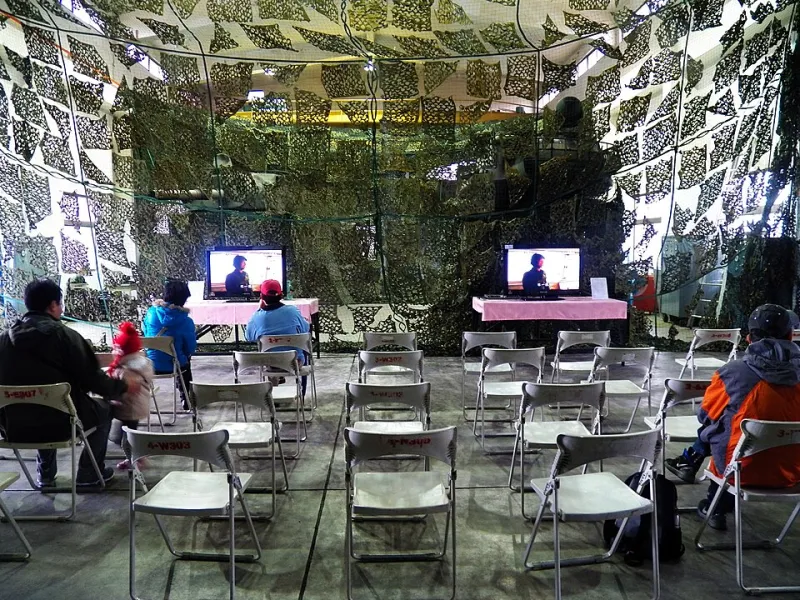
Photo: 玄史生, CC0, via Wikimedia Commons
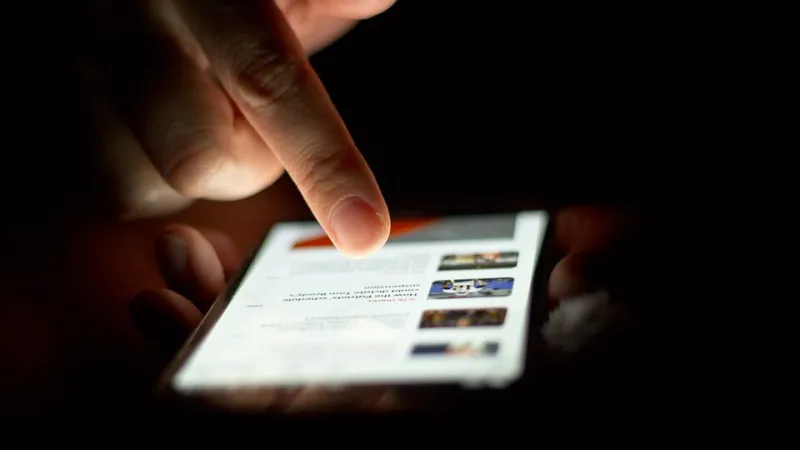
Scroll long enough on YouTube or TikTok and you'll hit it: a gorgeous, moody trailer for some prestige drama or blockbuster sequel that feels just plausible enough to make you stop. Maybe it's a dark reboot of a beloved 2000s cartoon. Maybe it's a gritty biopic starring two actors who have never shared a screen. You click. You watch. You get chills. Then you Google it and discover the truth — it doesn't exist. It never existed. And it might have ten million views anyway.
Welcome to the fake trailer boom, the strangest corner of streaming culture right now.
The Genre That Wasn't Supposed to Be a Genre
Fan trailers have been around forever, sure. Somebody with editing software cutting together a dream casting has been a YouTube staple since the dial-up days. What's changed is the tooling and the volume. AI video generators, voice cloning, and generative image tools have collapsed the gap between "cool idea" and "convincing footage." A solo creator working nights can now produce a trailer that looks like it leaked off a studio hard drive.
The result is a strange new category of content: entertainment about entertainment that doesn't exist. These clips have their own stars (faces stitched from real actors' likenesses), their own aesthetics (usually one of three flavors: gritty reboot, lost 90s sitcom, or sweeping fantasy epic), and their own audiences — people who watch, comment, argue about casting, and then come back for the next imaginary installment.
And the numbers aren't niche. The biggest fake trailers routinely rack up view counts that real studio marketing would kill for. Some of them outperform the actual promotional material for the actual movies they're imitating.
So Who's Making These Things?
The creators are a mixed bag. Some are VFX artists between gigs, flexing skills and building portfolios. Some are pure engagement farmers who've figured out that "what if this movie existed" is one of the most reliable rage-bait-adjacent formats on the internet. And a growing number are genuine storytellers using AI tools the way early YouTubers used webcams — as the only camera they've got.
What they share is an instinct for the algorithm. A fake trailer needs three things to travel: a recognizable property or actor, a hook in the first three seconds, and a title card that makes you do a double take. The best ones also nail tone, which is harder than it sounds. There's a real craft to making thirty seconds of generated footage feel like a movie — the music swell, the pacing, the single line of dialogue dropped at the perfect moment.
The comment sections are where it gets interesting. You'll find people tagging friends, people angrily explaining it's fake, and people begging for it to be real. Lots of begging.
From Comment Section to Greenlight
Here's where it stops being a curiosity and starts being an industry story: studios are paying attention. When a fake trailer for an imaginary project pulls eight figures of views, that's not fan fiction anymore — that's free market research. It's a proof-of-demand document that cost the studio nothing.
Executives have reportedly started monitoring viral fake trailers the way they once monitored fan campaigns and petition drives. The pipeline looks something like this: creator posts a fake trailer, it explodes, the comments fill with "someone make this real," and eventually — sometimes — a real conversation starts. Rights get discussed. Meetings happen. The fantasy gets an option.
It's the viral-revival playbook we've already seen with canceled shows, just running one step earlier in the process. Instead of begging a network to bring something back, audiences are pre-assembling the demand for something that was never made at all.
The Weird Emotional Catch
There's something genuinely new here, and it's worth sitting with: people are getting emotionally attached to entertainment that never existed. They're mourning movies that aren't real. They're disappointed that a trailer they loved was "wasted" on a fake. Some commenters describe the experience like a bait-and-switch — you got me invested, and now there's nothing to watch.
That's a real feeling, and it's changing how audiences relate to hype itself. When a trailer is this convincing, the line between marketing and fiction gets blurry. There are also uncomfortable questions sitting right next to the fun ones — about actors' likenesses being used without permission, about audiences being misled, about what "official" even means when a fan clip looks better than a studio's real campaign.
Watch This Space (Literally)
For now, the fake trailer scene lives in the same gray zone early internet video did — mostly tolerated, occasionally celebrated, legally murky. But the direction of travel is obvious. The tools get better every month. The audiences get bigger. And the studios, who once would have sent cease-and-desist letters, are more likely to send emails.
So the next time a trailer gives you chills and you can't find it on any release calendar, don't feel silly. You might be watching the first draft of a real show — written by an algorithm, directed by a stranger, and greenlit by ten million people who all asked the same thing: wait, why isn't this real?